By Meta Commerse
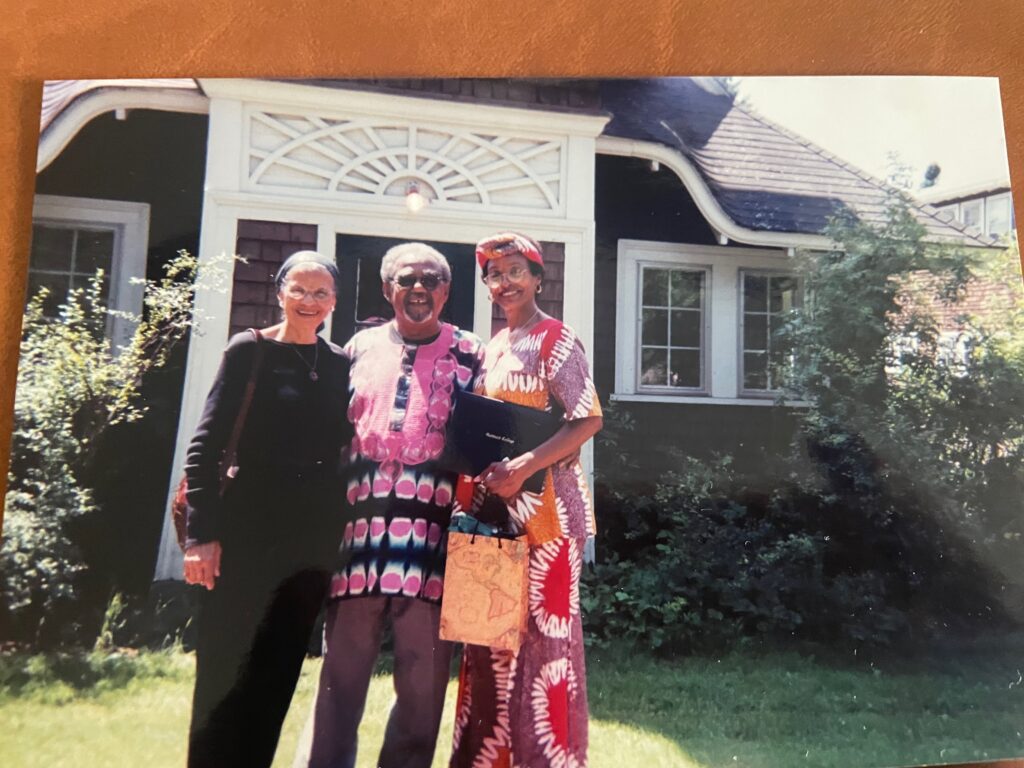
My first impression was emotional. Starting with a flood of memories. My first trip up to the green hills. The tiny synchronicities and ancestral interventions shoving me along to be sure I didn’t miss my connections. No, I wasn’t stranded in Hartford because of the train running 5 minutes early after I had just pulled my monstrous bag up that endless winding flight of stairs. Now breathless at the platform, I know that it ran just once a day. No, I did not miss my flight out of Atlanta after leaving my ticket at the office then circling back to get it. No, I didn’t self-sabotage my trip by stopping off to kiss my new baby grandson good-bye before I left. I just did it. I was on track to a new chapter, one I’d long craved, one I expected to prepare me for success. Memories and thoughts like that.
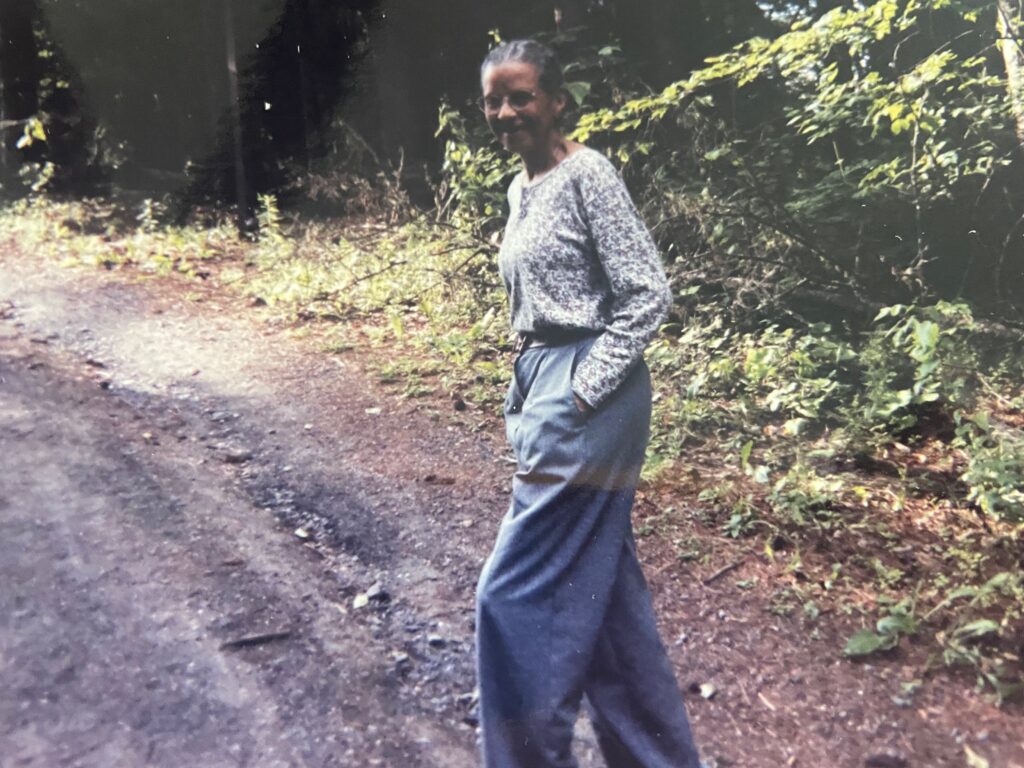
Vermont’s bitter January cold. My first official greeting: “Welcome to Goddard. We are here to help you find voice.” How just the sound of it made me fold and weep. The first academic expert I heard that night. bell hooks, and how she and her words left me changed.
Community. Knowing, doing, being. One academic mantra repeated continuously, albeit in many forms. Nourishing food. The line forming before meals. Discussing everything never before discussed, especially LGBT issues in stories and poems. Meeting people from everywhere who wanted to study all kinds of things.
Learning to ask for a room just across the yard instead of one in the village. Learning the campus. Doing an interview at the school’s public radio station. Taking yoga. Walking through the woods to the library. Using Inter-Library-Loan and calmly returning books at semester’s end. Using the computer lab. Finding a quiet place to renew and recharge my head, like sitting with a handful of black students out on the yard until the wee hours, sharing our dreams.
Learning to fly into Boston and from there taking a bus to Montpelier. Catching a ride with new friends into Montpelier. Cool Jewels. Barbara Mossberg. The really weird guys from the on-campus program. Elder alumni from the ‘60s and ‘70s who returned to attend graduations. Receiving mailings about fund drives or the need for renewed accreditation. Praying that the school would hold it together. Growing to appreciate the spirits at work on campus, especially when the moon was full, and benefiting from it more than once. Not understanding at first why the school was not fully funded, since it was helping so many, since it had been and still was a vital part of movements for change. Feeling anger about its sense of financial lack. Graduating. With my BA and when I said I wanted to continue, having my advisor say “why not just stop and integrate your undergraduate work?” More politics, but not just for politics sake. For finding my voice. Speaking of voice, the Hay Barn talent show as an outlet that I tapped into for readings and singing.
Investing in myself through my education, knowing it would make an incredible difference in my quality of life. Needing money and applying for the emergency student mini-grant. Getting it, and being told “do not reapply.” (One well-meaning benefactor would have made a difference, though.)
Goddard administrators knew that building itself around grants and endowments would hold the school hostage to schisms that may not line up with its value system. Freedom of education and knowledge first. It was an institution founded upon the need to elevate and liberate its students. Goddard’s intellectual resources could have been better exposed and maximized for far more students through other means such as partnering with other innovative centers such as The New School. Then there are such novel ideas as programs for not just academic but professional mentoring, publishing, promoting itself and us much better. Perhaps our celebrity grads could help with this, I wondered?
Some of these concepts did not emerge in the lexicon until well into the new millennium. I see them working successfully at other schools, at HBCUs, for starters. Some graduate writing programs now include fellowships, leaving their students debt-free. Beautiful, forward thinking concepts. Goddard offered a cutting-edge education. The first to launch a low-residency graduate writing program. It is the first place where I heard the term “social ecology,” and saw artist musicians and poets design genius study plans involving travel. I loved learning there. Told early on as a mature student that “you are the kind of student we love having here,” helping me know that I was in the right place at the right time, and to make the most of it.
From Suzanne Richman to David Frisby to Paul Selig, I loved the programs and the environment. For the first time I felt able to thrive as a learner not just amassing new knowledge for myself, but being required to plant it in the soil of my home community. I have used the Goddard model in my work ever since. I also shared the joy of my education with friends who went to Goddard and fulfilled learning goals of their own.
Learning this time last year that the school had closed its doors, I was stunned rather than shocked. 2024, a year of major loss, loss that seemed to grow into more of a practice. Now this. Then, in early ‘25, I saw an encouraging NewsHour report from back at the ranch, that the campus is being used for community good. The devastating floods due to climate change wrought havoc in Plainfield. There is land that can be developed for new housing units. The local community meets in the Clock Tower, organizing to build back better, figuring out together which is the best way to go. Knowing, doing, being. The spirit of change and liberation that is Goddard lives on.